Nourishing Your Heart: The Vital Role of a Heart-Healthy Diet in Cholesterol Control
As National Heart Month continues, we’re diving deeper into the fundamental aspects of heart health, and today, we’re shining a spotlight on the importance of a heart-healthy diet in managing cholesterol levels. At North Star Family Medicine, we believe that what you eat plays a crucial role in your cardiovascular well-being, and making informed dietary choices can significantly impact your cholesterol levels and overall heart health.
Cholesterol is a waxy substance found in the blood that is essential for building healthy cells and producing hormones. However, when cholesterol levels become too high, it can lead to the buildup of plaque in the arteries, increasing the risk of heart disease, heart attack, and stroke. That’s why it’s essential to maintain healthy cholesterol levels through lifestyle modifications, with diet being a cornerstone of cholesterol management.
So, what exactly does a heart-healthy diet entail? Here are some key principles to keep in mind:
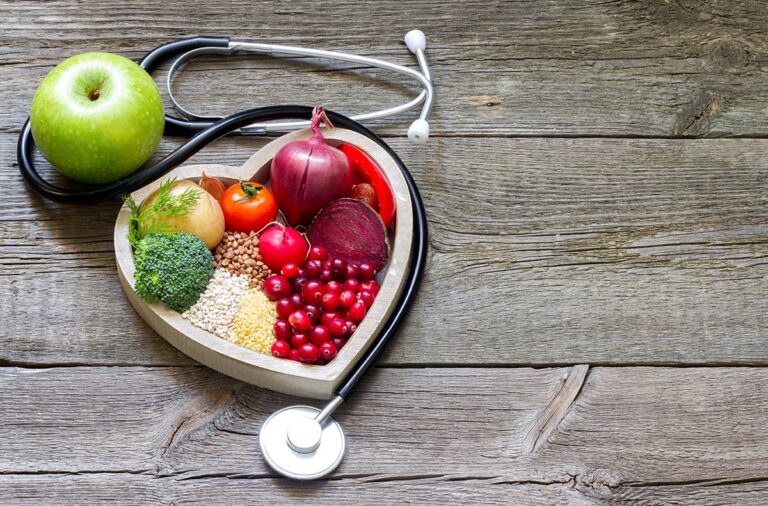
- Focus on whole foods: Fill your plate with a variety of nutrient-dense whole foods such as fruits, vegetables, whole grains, legumes, nuts, and seeds. These foods are rich in fiber, vitamins, minerals, and antioxidants, which can help lower cholesterol levels and protect against heart disease.
- Choose healthy fats: Opt for sources of unsaturated fats, such as olive oil, avocado, nuts, and fatty fish like salmon and trout. These fats can help raise HDL (good) cholesterol levels and lower LDL (bad) cholesterol levels when consumed in moderation.
- Limit saturated and trans fats: Cut back on foods high in saturated and trans fats, such as red meat, full-fat dairy products, fried foods, and processed snacks. These fats can raise LDL cholesterol levels and increase the risk of heart disease.
- Reduce dietary cholesterol: Limit your intake of foods high in dietary cholesterol, such as egg yolks, organ meats, and shellfish. While dietary cholesterol may not have as significant an impact on blood cholesterol levels as once thought, it’s still important to consume these foods in moderation as part of a balanced diet.
- Watch your sodium intake: Limit sodium intake by avoiding processed and packaged foods high in salt and opting for fresh, whole foods instead. High sodium intake can raise blood pressure and increase the risk of heart disease.
By making these simple yet powerful changes to your diet, you can take proactive steps towards managing your cholesterol levels and protecting your heart health. At North Star Family Medicine, we’re here to support you on your journey towards a heart-healthy lifestyle. Our team of healthcare professionals can provide personalized nutrition guidance, meal planning tips, and resources to help you make sustainable dietary changes that benefit your heart and overall well-being.
This National Heart Month, let’s prioritize our heart health by nourishing our bodies with wholesome, heart-healthy foods. Together, let’s take control of our cholesterol levels and pave the way for a lifetime of cardiovascular wellness. If you have any questions or need support with cholesterol management, don’t hesitate to reach out to us at North Star Family Medicine. Your heart deserves nothing but the best!